Cádiz - Sevilla
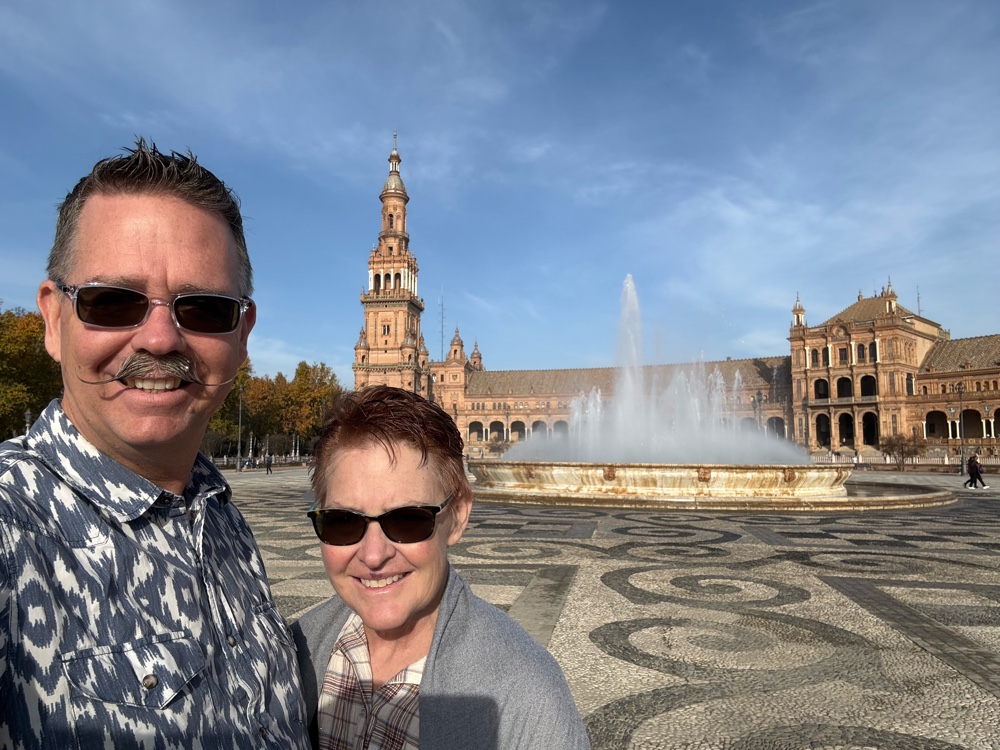
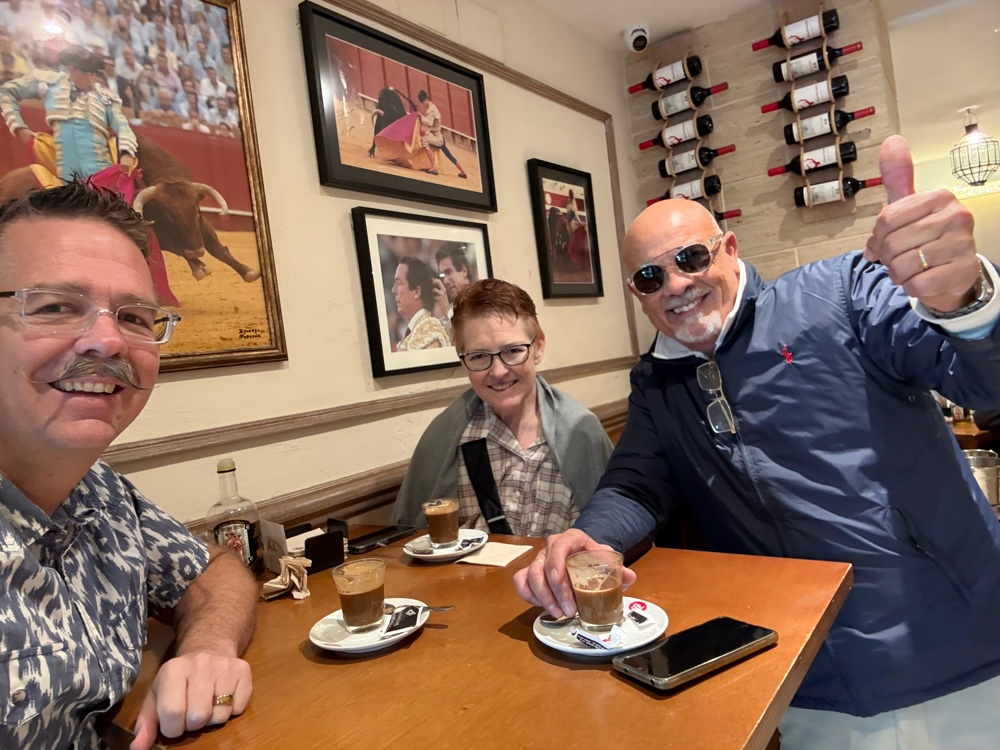
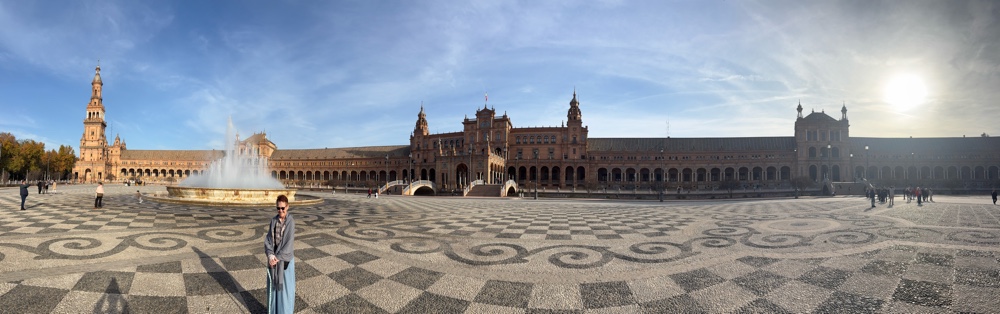
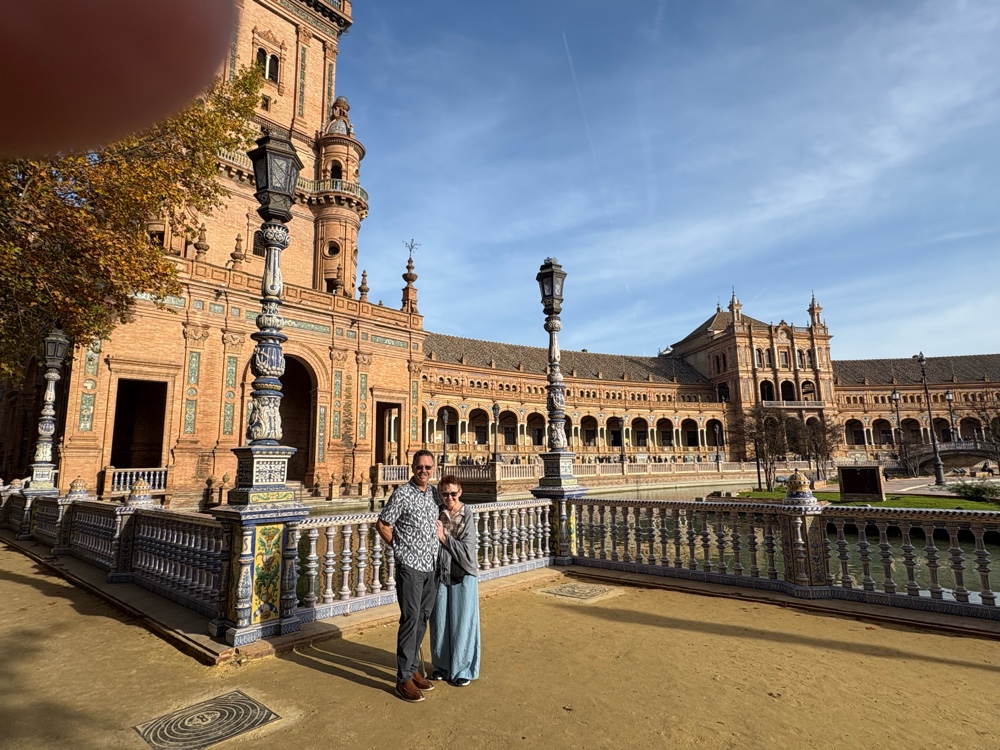
He first took us to the Plaza de España:
He took us to the city center, where the cathedral and old city is located. We waked around a bit and did some shopping before heading back to Cádiz.
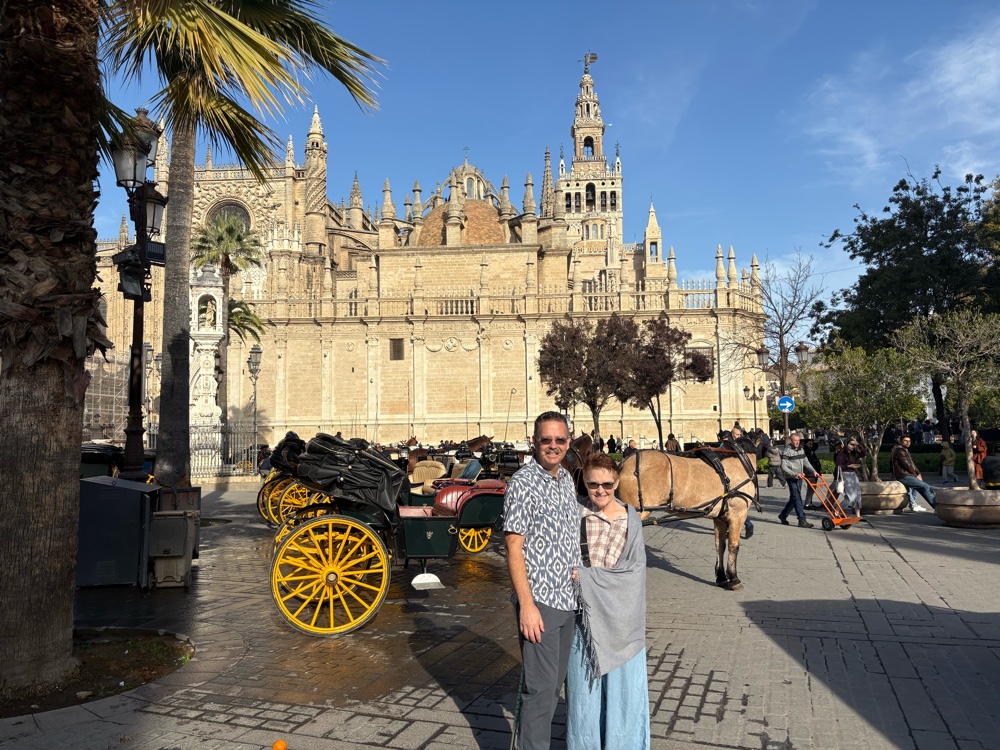
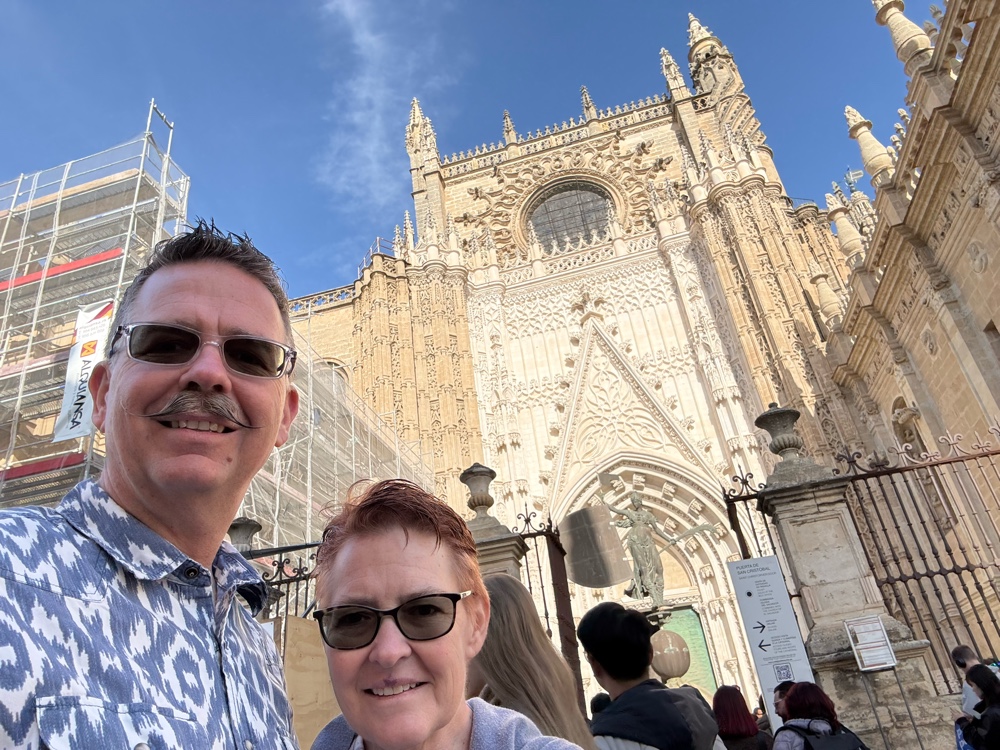
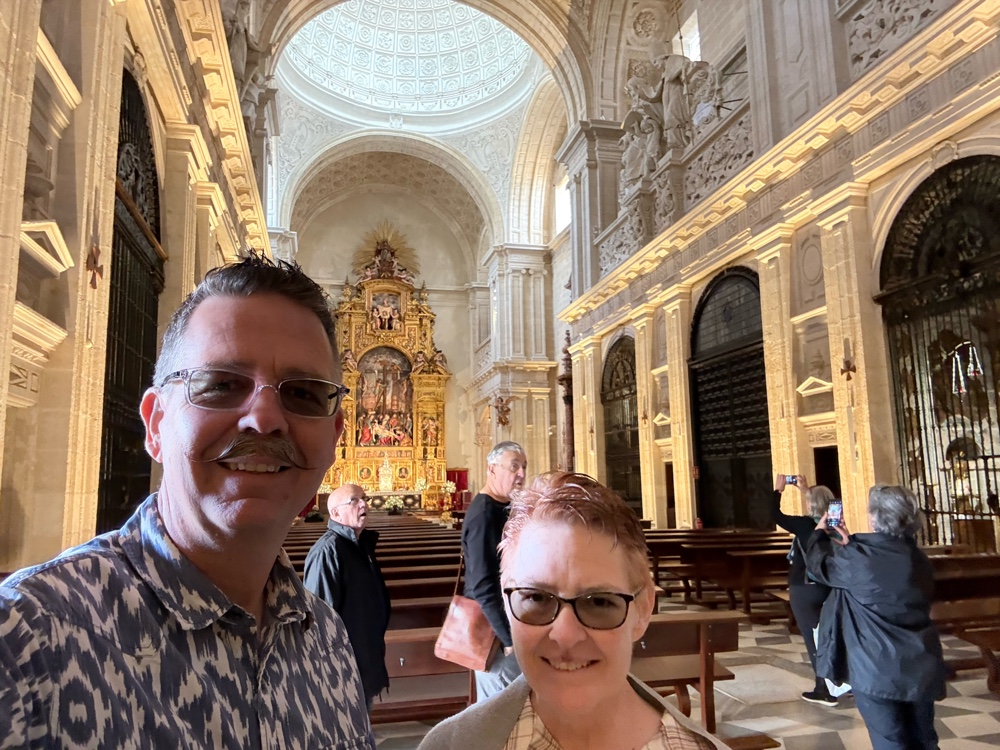
We told Diego that we wanted to have lunch in Cádiz — he’s a native of Cádiz — so he dropped us off at a restaurant he recommended.
We had Iberian ham, croquettes, and a Cádiz specialty, tortillitas con camarones — and everything was great! We were the only tourists there. 😁
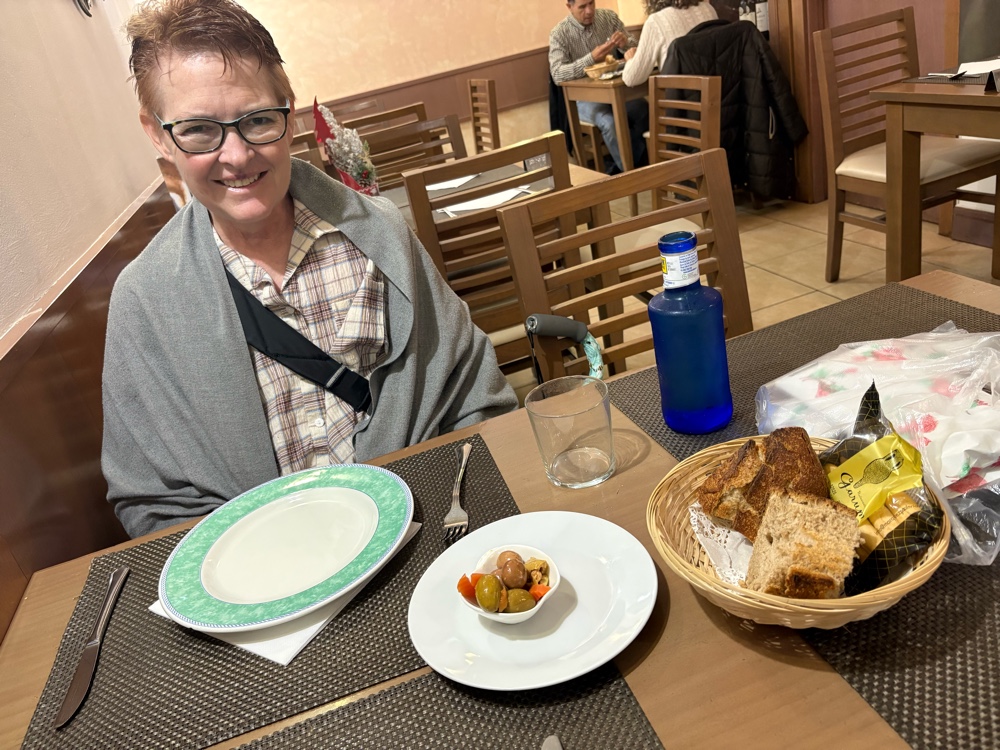
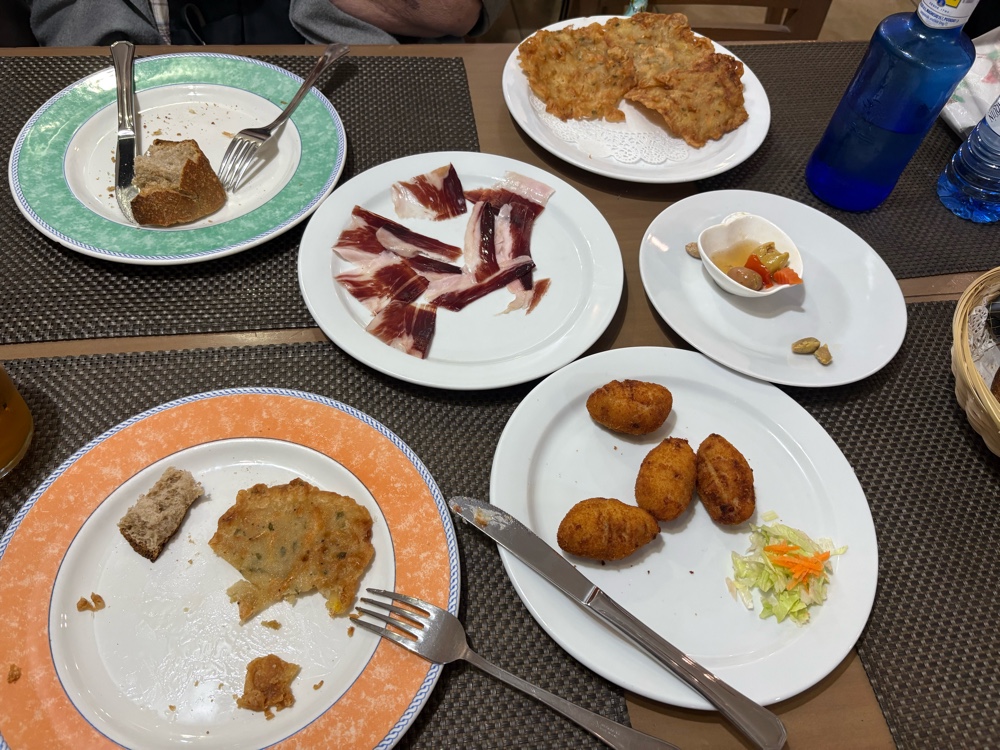
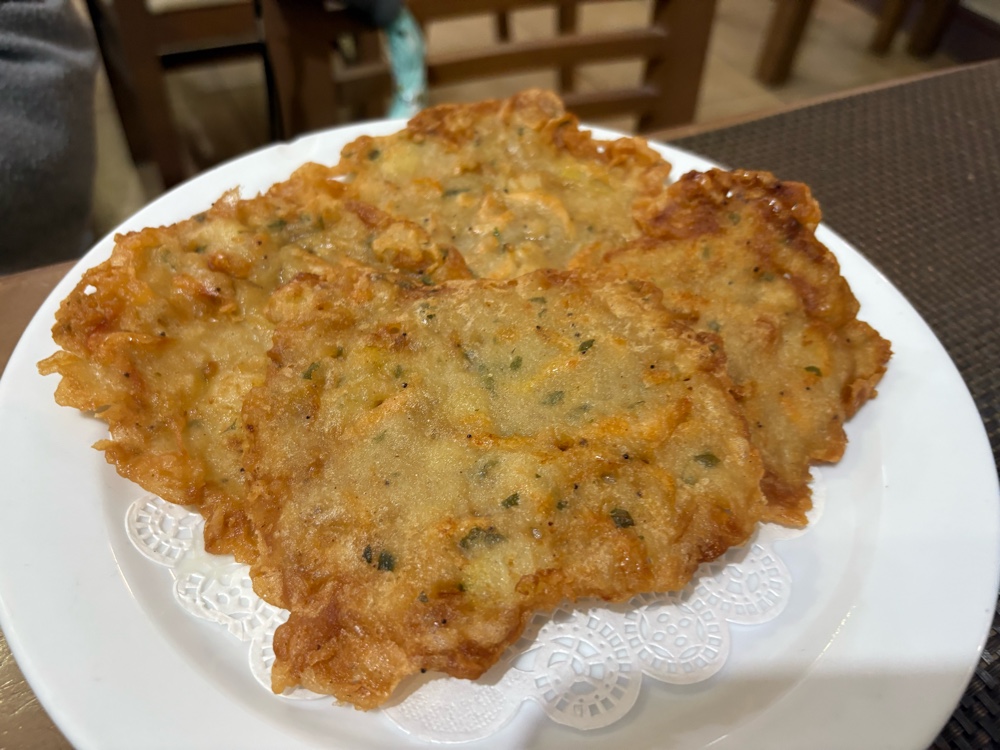
After the lunch we took a short stroll in Cádiz. It’s a very nice city, it feels very old — it is. All of the streets are very narrow. There aren’t beaches and it’s kind of out of the way so it’s doesn’t seem like a tourist town except for the cruise ships. We probably wouldn’t travel here except on a cruise, but it’s a great place to experience Spanish culture without the tourist hype.
We were back on the ship much earlier than expected because the taxi ride to Sevilla was faster than the train would have been, and we spent less time in Sevilla than if we weren’t on a schedule — the price we paid for the taxi was for two hours there. It all worked out and we loved the lunch in Cádiz.
We spent the rest of the afternoon on the ship not doing much. Tomorrow we set foot on the African continent for the first time in Morocco. We are very excited!
Fun Note:
Diego told us that the word “tapas”, used to describe small plates of food at a bar all over Spain, originated in Cádiz. The story sounded good and ChatGPT seemed to agree that if not exactly in Cádiz, it did originate in the region.
The word tapas comes from the Spanish verb tapar, meaning “to cover.”
The basic origin
In taverns centuries ago, bartenders would place a small plate or slice of bread/meat on top of a wine glass to cover it—mainly to keep flies and dust out.
That little “cover” was the tapa.
Over time:
- The cover itself became edible
- The snack became expected
- And eventually the food became the star, not the drink cover
Popular origin stories (all plausible, none 100% provable)
- Andalusian taverns (very likely, given the heat and flies)
- King Alfonso X (13th century) supposedly required wine to be served with food to reduce drunkenness
- King Alfonso XIII was served wine in Cádiz with a slice of ham on top to block beach sand
Regardless of which story is “the” origin, the language is clear:
Tapa = something that covers
How it evolved
What began as:
- bread
- ham
- cheese
Turned into:
- olives
- tortilla
- croquettes
- seafood
- mini stews
…and eventually the rich tapas culture you’re enjoying today.



Comments
Post a Comment